01
Stress & Burnout
Overload, insufficient recovery, prolonged pressure, signs of exhaustion or loss of ability to sustain the rhythm.

Identifying and managing psychosocial risk factors is part of a preventive approach to safety, health and well-being at work. SIGBEO supports organizations in understanding working conditions, team dynamics and the factors that may influence organizational health, contributing to decisions and improvement measures tailored to each context.
Tell us about the context and the main challenges of your organization. We will be glad to learn about your needs and explore possible ways of working together.
Framework
Referring to these documents does not mean that SIGBEO is certified, nor does it replace the employer’s legal obligations and responsibilities.


What we understand by Organizational Health
Human and organizational problems rarely belong to a single category.
Stress, conflicts, overload, absenteeism, turnover, loss of trust or loss of engagement can have individual causes, but they can also arise from leadership, work organization, relationships, demands or the absence of adequate conditions.
SIGBEO seeks to understand these relationships before proposing a solution. The objective is not to produce an abstract diagnosis: it is to create clarity about what is happening, where to act and how to monitor developments.
When this area makes sense
Intervention begins when the organization recognizes a problem, a risk or a change that requires deeper reading. Not all signs require the same type of response, and not all signs are resolved with training.
Overload, insufficient recovery, prolonged pressure, signs of exhaustion or loss of ability to sustain the rhythm.
Patterns that may indicate problems with working conditions, leadership, climate, belonging, workload or organizational functioning.
Frayed relationships, difficult communication, silence in teams, low psychological safety or loss of trust.
Demotivation, declining commitment, difficulty in mobilizing teams or persistent signs of wear and tear.
Need to identify risk and protection factors associated with content, organization and work relationships.
Growth, restructuring or transformation that changes roles, demands, relationships and ways of working.
Highly demanding contexts in which performance and human sustainability begin to come into tension.
When specific well-being initiatives exist, but are not linked to the organization's causes, priorities or decisions.
Diagnosis & Consulting
This can be a stand-alone entry point. The organization does not need to contract a long programme to better understand the situation and support the setting of priorities.

Method
Our approach combines analysis of the organizational context, structured information gathering and a reading of the relevant indicators, according to the needs and characteristics of each organization. The appropriate methods and tools are defined within each project.
Scope
Defined in advance with each organization
Objectives, population, topics, methods, tools, deliverables and schedule are agreed before any data gathering.
Topics we can work on
If there is a formal assessment with its own requirements, the scope and tools are defined in the proposal and in the project’s technical documentation.
How a project unfolds
Scope
We define objectives, population, topics and schedule
The scope, deliverables and schedule are defined in advance with the organization and recorded in writing.
Collection
Structured information gathering
Depending on the agreed scope, it may include questionnaires, interviews with leaders and teams, and a review of the indicators the organization already has, such as absenteeism, departures and replacement times.
Reading
Patterns, relevant factors and areas that deserve attention
The information gathered is analysed together with internal indicators, including what is already protecting the organization.
Feedback
Report, session with management and recommendations
A report with structured information to support decision-making, a review session with management, and recommendations tailored to the context and the data available.
The complete schedule is finalized in writing at the scope meeting, before any collection. It depends on the size of the population and the number of interviews. It is the first thing that is decided.
Training & Workshops
Short-term interventions can be contracted independently or as part of a larger project. The offer is adjusted to the sector, function, problem and result sought.
Awareness, literacy, prevention, warning signs, organizational responsibility and limits between support and clinical treatment.
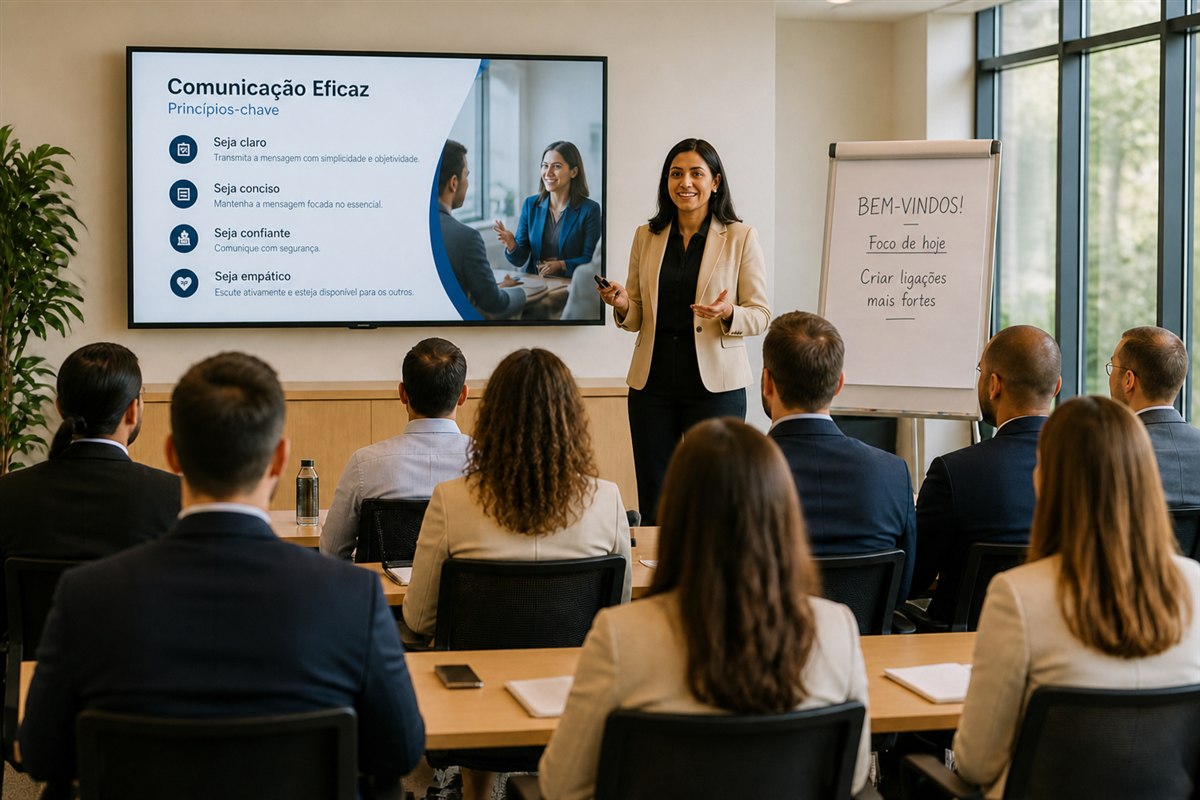
Understand risk factors, signs of burnout, recovery and possible responses at the individual and organizational level.

Tools for self-regulation, demands management and recovery without reducing systemic problems to individual responsibility.
Confidence, speaking up, learning, communicating risk, error and conditions for responsible participation.
How decisions, communication, priorities, demands and leadership behavior influence health and performance.

Work on results and operating conditions without transforming permanent pressure and exhaustion into a management model.
SIGBEO BE.Human
A corporate program to develop personal resources, healthier relationships and sustainable habits. It can respond to a concrete need or integrate a broader intervention, without confusing individual well-being with risks of organizational origin.
The starting point and format are defined by need: awareness raising, workshop, thematic cycle or ongoing program.
Talk about BE.HumanIndividual practices
Well-being at work benefits from an integrated approach. Individual development and support initiatives can be important, but they do not replace attention to working conditions, leadership, relationships and organizational factors.
The organization can start with a training course, a workshop, a diagnosis, a programme, consulting or the platform, depending on its needs.

Mindfulness & Meditation
It's not training. These are practice and recovery formats in the work context: regular sessions, workshops and immersive days.
mySIGBEO provides structured information and indicators that support understanding of organizational trends, setting priorities and following progress over time. Aggregated view: it does not diagnose people or make decisions about anyone. Data processing is subject to the GDPR.
Frequently asked questions
The starting point
Tell us what signs you are observing, what you have tried and what you would like to change. The answer can start with a conversation, a diagnosis, training or a broader intervention.
Tell us about the context and the main challenges of your organization. We will be glad to learn about your needs and explore possible ways of working together.